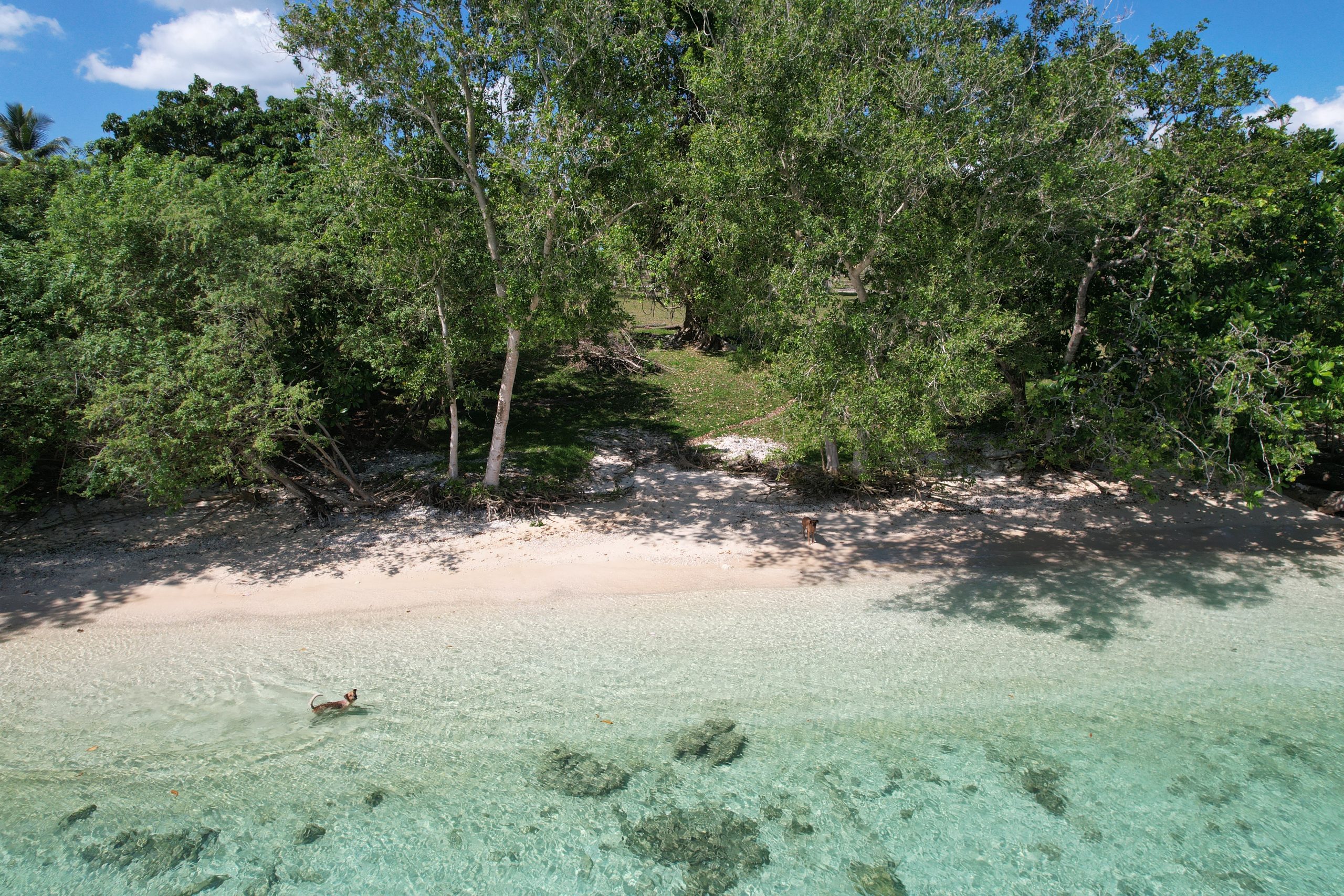
Exploring Vanuatu Property: Investment Opportunities in Paradise
If you’ve ever dreamt of owning a slice of paradise, Vanuatu might just be the perfect location for your real estate investment. With its stunning landscapes, friendly locals, and favorable property laws for foreign investors, vanuatu property https://vanuatulandforsale.com/ for those looking to enter the global property market. This article will delve into the various aspects of Vanuatu property, including investment opportunities, the types of properties available, and tips for prospective buyers.
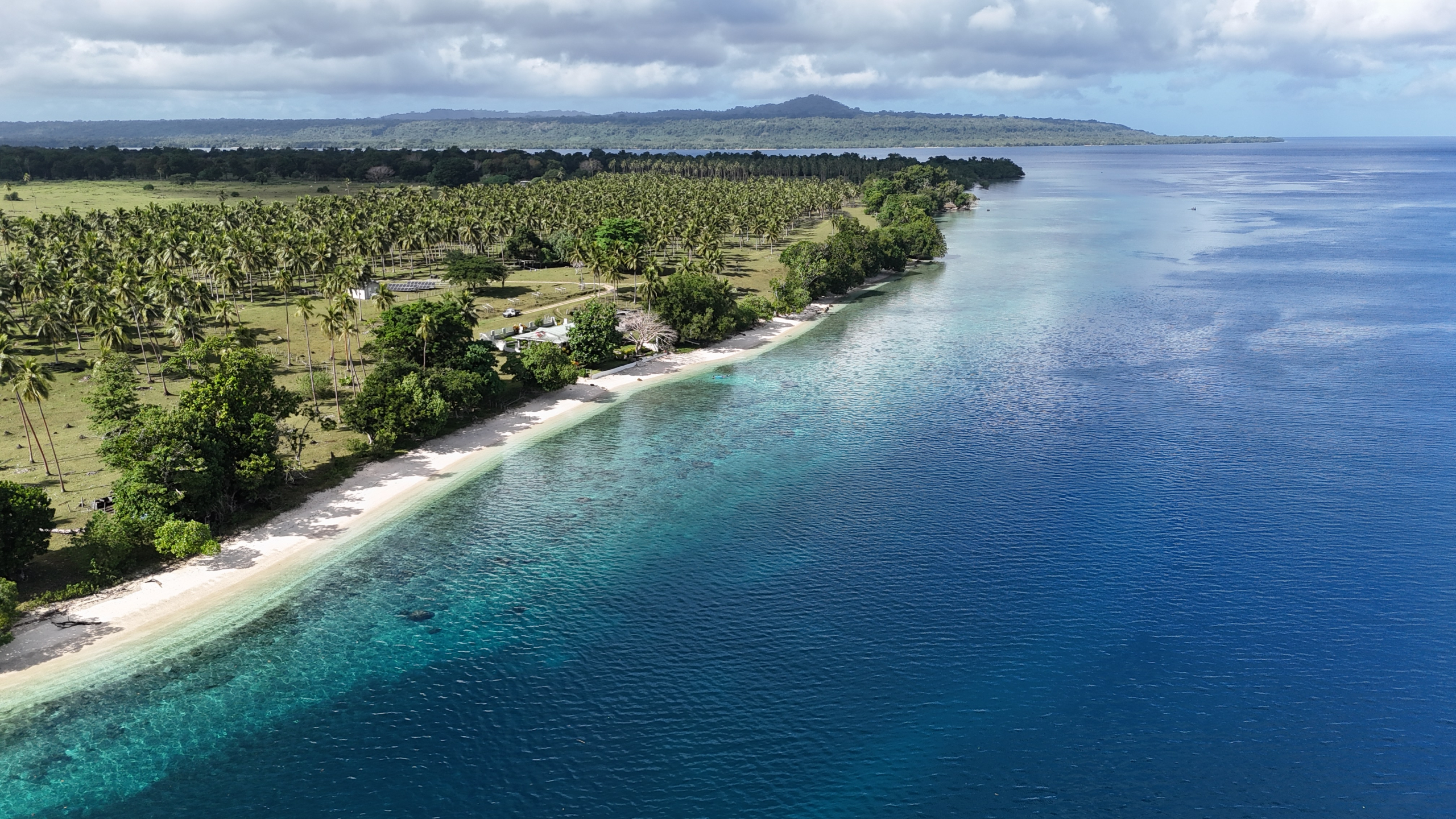
The Allure of Vanuatu
Vanuatu is a stunning archipelago located in the South Pacific Ocean, known for its rich cultural heritage, vibrant marine life, and breathtaking scenery. Comprising approximately 83 islands, Vanuatu offers a variety of natural landscapes, from pristine beaches to lush mountains, making it a desirable destination for tourists and investors alike. Its strategic location between Australia and New Zealand further enhances its appeal as a gateway to the Pacific.
Understanding the Real Estate Market in Vanuatu
The Vanuatu real estate market has been on a positive trajectory in recent years, driven largely by international interest in the region. Factors such as political stability, tourism growth, and tax incentives for foreign property buyers have made Vanuatu an attractive option for real estate investment. In addition, the government encourages foreign investments, offering leaseholds rather than freehold titles to foreigners. This structure allows for long-term ownership while protecting the rights and interests of local landowners.
Property Types Available
Investors interested in Vanuatu property will find a diverse range of options to choose from:
- Residential properties: These include single-family homes, villas, and apartments, catering primarily to expatriates and locals.
- Commercial properties: Ideal for those looking to start a business, commercial real estate includes office spaces, retail units, and hospitality ventures.
- Vacant land: Owning land in Vanuatu can be a great investment, whether you plan to build your dream home or develop a tourist resort.
- Resort properties: These are often located on the waterfront and cater to the booming tourism sector, providing opportunities for rental income.
Why Invest in Vanuatu Property?
There are several compelling reasons to consider investing in Vanuatu property:
1. Strategic Location
As a hub for travel and trade in the Pacific, Vanuatu’s location provides easy access to numerous international markets. This strategic advantage is complemented by an expanding tourism industry, which drives demand for both residential and commercial properties.
2. Favorable Investment Climate
The Vanuatu government actively encourages foreign investment, offering various incentives and a regulatory framework that supports property buyers. The ease of doing business and transparent property laws further enhance the investment climate.
3. Natural Beauty and Lifestyle
Investing in Vanuatu not only presents financial opportunities but also offers an enviable lifestyle. With its stunning beaches, warm climate, and rich cultural experiences, Vanuatu is a paradise for those seeking an escape from the hustle and bustle of city life.
4. Growing Tourism Sector
The thriving tourism sector in Vanuatu contributes to a steady demand for rental properties. Owning property in a popular tourist area can provide a lucrative income stream through short-term rentals or hotel operations.
Steps to Buying Property in Vanuatu
Once you’ve decided to invest in Vanuatu property, it’s important to understand the steps involved in the purchasing process:
1. Conduct Research
Understanding the local market, property values, and regulations is crucial before making any investment. Engage with local real estate agents and market analysts to gain insight into available properties and trends.
2. Legal Assistance
Consider hiring a local lawyer who specializes in property transactions to navigate the legalities of buying property. They can assist with contract details, land leases, and any other legal requirements.
3. Secure Financing
Evaluate your financial position and explore financing options if needed. Many international banks operate in Vanuatu, offering mortgage options for foreign buyers.
4. Negotiate and Purchase
Once you find a property that meets your needs, negotiate the price and terms with the seller. Once an agreement is reached, a formal contract will be drawn up, and deposits are typically required.
5. Registration
After the purchase, ensure that the property is properly registered to secure your ownership rights. This process is crucial to avoid any potential disputes in the future.
Challenges to Consider
While Vanuatu offers numerous opportunities, there are also challenges that prospective buyers should be aware of:
1. Leasehold Limitations
Foreigners can only hold leaseholds on land, which can be challenging for some investors looking for freehold ownership. Understanding the implications of lease agreements is vital.
2. Market Fluctuations
As with any investment, real estate markets can fluctuate. Buyers should be prepared for potential market variations that could affect property values.
3. Environmental Considerations
Vanuatu is prone to natural disasters such as cyclones and volcanic eruptions. It’s crucial to consider environmental risks when investing in property here and to take appropriate precautions.
Conclusion
Investing in Vanuatu property presents an exciting opportunity for those looking to secure a piece of paradise while also capitalizing on its growing real estate market. By understanding the local landscape, navigating the buying process, and weighing the potential challenges, investors can make informed decisions that align with their goals. With breathtaking scenery, a welcoming culture, and advantageous regulations, Vanuatu is well worth considering for your next property investment.